
Skip to content
Beetle Travels logo
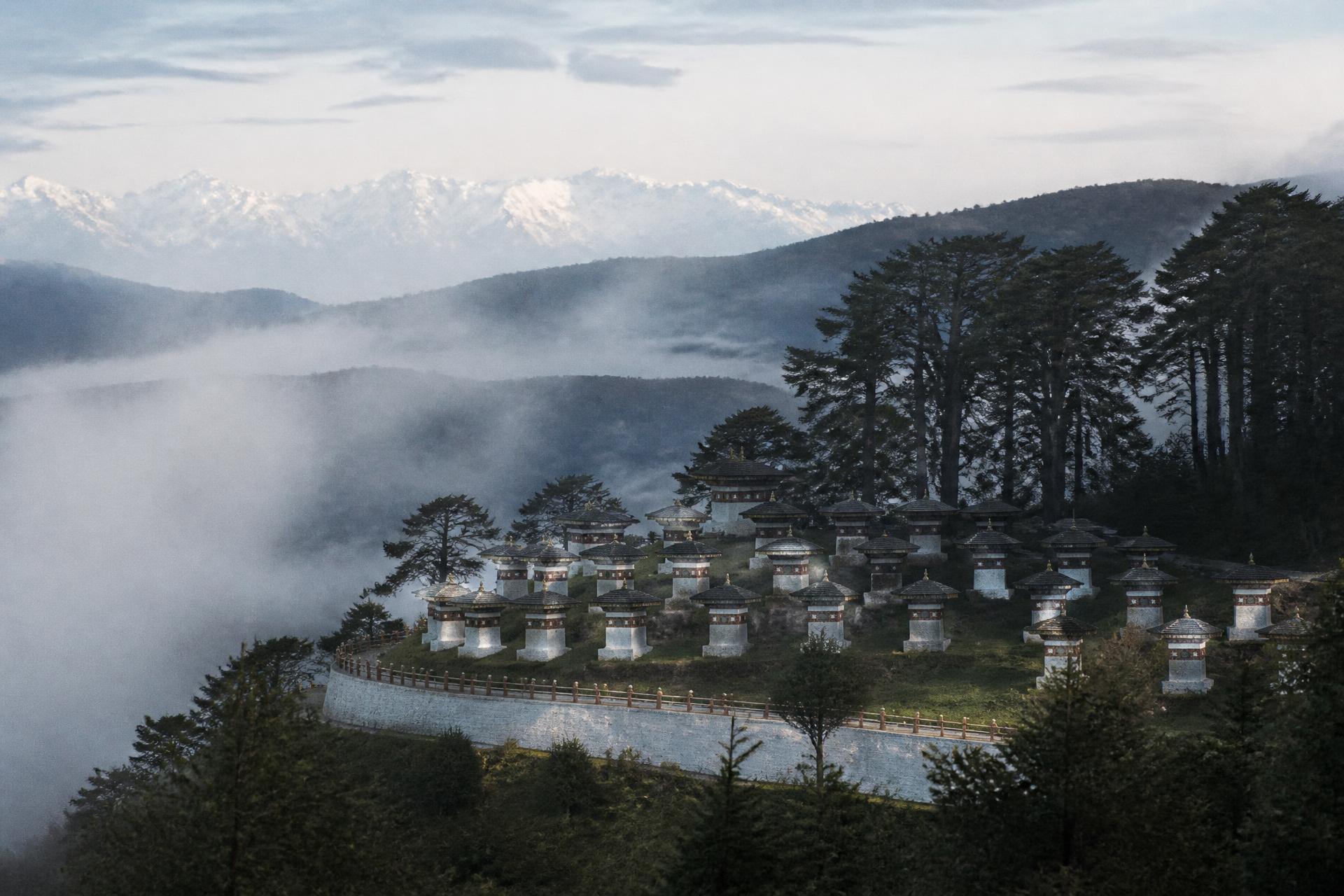
Dochula pass on the road to Punakha, Bhutan

Travel tools

Everything you need before you fly

Simple, honest answers on visas, seasons, festivals, packing, money, trekking and wildlife. No guesswork.

Plan with confidence

Nine tools, written in plain English

We only show what we can stand behind. Where a tool needs live data — weather, exchange rates, festival dates — we say so instead of printing a number that may be wrong.

Visa and permit guidance

All trips to Bhutan are booked through a licensed local company. We apply for your visa and inside-Bhutan permits for you.

  • Send us a clear photo of your passport page. It must be valid for six months after your travel dates.
  • We apply for the visa and permits once your deposit is paid.
  • Government fees and rules are set by the Department of Tourism and can change, so we confirm them for your dates in writing.
  • Indian passport holders travel under a different permit process. Ask us and we will explain it simply.
Weather and best time to travel

Live data coming soon

Spring (March–May) and autumn (October–November) are the clearest months. Winter is cold, sunny and quiet. Summer is green with afternoon rain.

  • Valleys like Punakha stay warm. Passes and treks are much colder, even in spring.
  • Mountain weather changes fast, so we plan spare time into every trip.

Live forecast slot — connect a weather API or widget for Paro, Thimphu, Punakha and Phobjikha.

Festival calendar

Live data coming soon

Bhutan's Tshechu festivals follow the lunar calendar, so the dates move every year. We confirm exact dates before we plan your trip.

  • Paro Tshechu — spring, one of the largest festivals.
  • Thimphu Tshechu — autumn, busy and colourful.
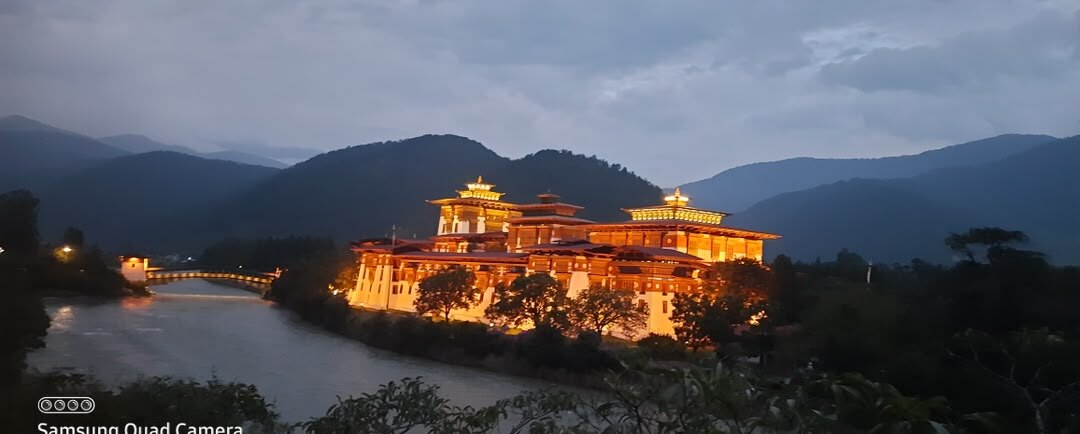
  • Punakha Drubchen and Tshechu — late winter, in the dzong by the river.
  • Black-Necked Crane Festival — Phobjikha, late autumn.

Calendar slot — connect the official Department of Tourism festival dates feed each year.

Packing checklist

Tick this list before you fly. Pack light layers, not heavy coats.

  • Warm layers, a fleece and a light waterproof jacket
  • Comfortable walking shoes, already worn in
  • Long trousers and sleeves for temples and dzongs
  • Sun hat, sunglasses and strong sunscreen
  • Personal medicine, plus something for headaches at altitude
  • Refillable water bottle (we avoid single-use plastic)
  • Power adapter, type D, F or G, and a power bank
  • Cash in small notes for local markets and tips

Tick as you pack (0/8)

Currency helper

Live data coming soon

Bhutan uses the Ngultrum (BTN). It is fixed one-to-one with the Indian Rupee. Cards work in bigger hotels; markets are cash only.

  • Change money at the airport or a bank in Paro or Thimphu.
  • Keep small notes for markets, tips and small cafes.

Quick converter

Type today's rate from your bank. We do not show a rate ourselves, because it changes daily.

Roughly

Add a rate

Rate feed slot — the converter below uses a rate you type in. Connect an exchange-rate API to fill it automatically.

Bhutan map

Live data coming soon

West to east: Haa, Paro, Thimphu, Punakha, Phobjikha, Bumthang, then eastern Bhutan. Roads wind, so we keep drives short and add stops.

  • Most trips fly into Paro and travel east by private car.
  • Paro to Punakha is around four to five hours with stops at Dochula pass.

Map slot — drop in an embedded map (Google Maps or MapLibre) with our valley and lodge pins.

Trekking guide

From easy valley walks to high routes above 4,000 metres. Every trek has a full crew, cook and pack animals.

  • Easy: day walks in Punakha, Paro and Phobjikha. No camping.
  • Moderate: short camping treks with one or two passes.
  • Hard: long high routes such as Jomolhari. Good fitness needed.
  • We add rest days so your body has time to get used to the altitude.

Wildlife and nature

More than seventy percent of Bhutan is forest. Wildlife is protected, and some valleys have quiet seasons.

  • Black-necked cranes winter in Phobjikha from late October to February.
  • Takin, Bhutan's national animal, lives in the high forests.
  • Red pandas, langurs and many bird species live along the eastern road.
  • We keep a safe distance, stay on paths and carry our waste out.

Carbon and sustainable travel

Live data coming soon

Bhutan absorbs more carbon than it produces. We keep our own trips light: shared private transport, local food, no single-use plastic.

  • We use local guides, drivers, farm stays and family-run lodges.
  • Treks carry out all waste, and we plant trees for long trips.

Footprint slot — connect a flight and road emissions calculator to show a real number per trip.

Still unsure about something? Our AI Travel Concierge answers in seven languages, or a person in Punakha will reply within one working day.

Ready when you are

Let us build your Bhutan trip

Tell us your dates and what you enjoy. We will send a day-by-day plan with clear costs.

Plan My JourneyChat on WhatsApp

info@beetletravels.com · Punakha, Bhutan